

When it’s time to upgrade your home heating system, one question tends to come up again and again: heat pump vs gas furnace – which one is the better choice? It’s a big decision, and the right answer depends on your home, your budget, and your priorities. At Foster Heating & Cooling, we’ve been helping Victoria and Vancouver Island homeowners find the right fit since 1928. This guide breaks down exactly how these two systems compare – so you can make a confident, informed choice.
What Is a Heat Pump?
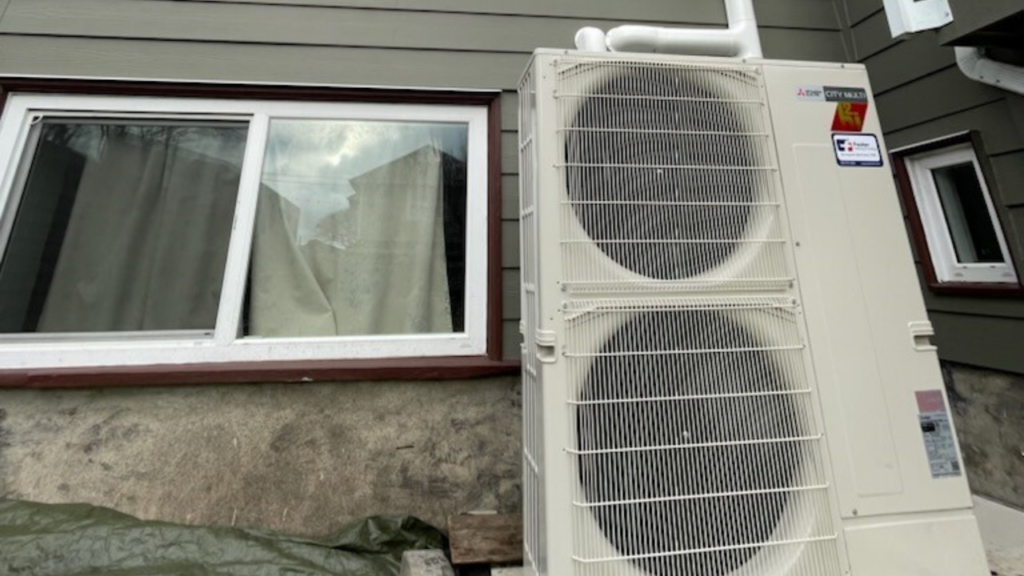
A heat pump doesn’t generate heat the way a furnace does. Instead, it moves heat from one place to another. In winter, it pulls warmth from the outdoor air and transfers it inside. In summer, it reverses the process and acts as an air conditioner.
This dual function makes a heat pump a versatile, year-round system. And because it moves heat rather than burns fuel to create it, it tends to be highly efficient – often delivering two to three times more energy than it consumes.
Heat pumps run on electricity and qualify for significant rebates through programs like CleanBC, making them an increasingly popular choice in British Columbia.
What Is a Gas Furnace?
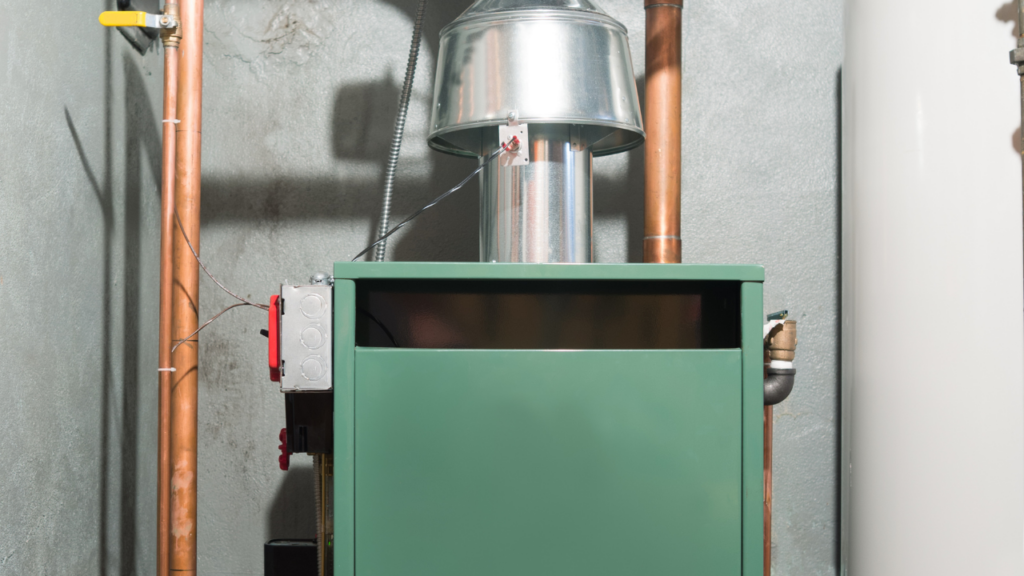
A gas furnace burns natural gas to produce heat, which is then distributed through your home via ductwork. Furnaces are known for delivering powerful, consistent warmth quickly – even when temperatures dip.
They’ve been a standard heating solution in Canadian homes for decades, and for good reason. They’re reliable, familiar, and generally come with a lower upfront cost than heat pumps. Homes that already have a gas line and existing ductwork are well-suited to this option.
Heat Pump vs Gas Furnace: How They Compare
Here’s a straightforward look at how these two systems stack up across the factors that matter most to homeowners on Vancouver Island.
Efficiency
Heat pumps have a clear edge here. Because they transfer heat rather than burn fuel to generate it, their efficiency ratings are hard to match. Modern heat pumps can operate at 200 to 300 percent efficiency or higher under the right conditions.
Gas furnaces, even high-efficiency models, top out around 98 percent. That’s excellent for a combustion system, but still well below what a heat pump can achieve.
Heating Performance in Cold Weather
Historically, this was where gas furnaces had the advantage. Older heat pump technology struggled in very cold temperatures. That’s changed significantly. Modern cold-climate heat pumps are engineered to perform well below freezing – and Vancouver Island’s relatively mild winters rarely push a heat pump to its limits.
Victoria and the surrounding region see cool, wet winters rather than harsh, sustained cold. This makes the Island one of the better climates in Canada for heat pump performance.
Cooling
Gas furnaces only heat. If you want cooling in the warmer months, you’ll need a separate air conditioning system.
A heat pump handles both heating and cooling in a single unit. For homeowners who want a simplified setup – and aren’t already invested in a separate AC system – this is a meaningful advantage.
Operating Costs
This depends on your usage patterns and local energy prices. In BC, electricity and natural gas prices both shift over time. Many homeowners are finding heat pumps increasingly cost-effective over the long term, particularly when provincial and federal rebates are factored in. A qualified technician can walk you through an estimate based on your specific home.
Upfront Cost
Gas furnaces tend to have a lower purchase and installation cost. Heat pumps carry a higher upfront investment – but available rebates through CleanBC and federal programs can offset this significantly. It’s worth looking into your eligibility before ruling out a heat pump on cost alone.
Environmental Impact
Heat pumps produce no direct greenhouse gas emissions. As BC’s electrical grid continues to get cleaner, the overall environmental footprint of a heat pump decreases over time.
Gas furnaces burn fossil fuels, which produces CO2. For homeowners who want to reduce their environmental impact, this is a relevant consideration.
Which System Makes More Sense on Vancouver Island?
Vancouver Island has one of the mildest climates in Canada. Winters are wet and cool, but temperatures rarely drop to the extremes that challenge a heat pump. That makes this region particularly well-suited to heat pump performance.
For most Island homeowners, a heat pump is a strong, practical choice – offering efficient year-round comfort, built-in cooling, and solid rebate eligibility.
That said, a high-efficiency gas furnace remains a reliable option, especially for homeowners who already have a gas line and ductwork in place, or who prioritize a lower initial investment.
Some homeowners opt for a dual-fuel system – a heat pump paired with a gas furnace as a backup – to get the benefits of both technologies.
Key Questions to Ask Before You Decide
Before landing on a system, it helps to work through a few practical questions:
- Do you currently have a gas line or existing ductwork?
- Do you need cooling as well as heating?
- Is your priority lower upfront cost or lower long-term operating costs?
- Are you looking to reduce your carbon footprint?
- What rebates are you currently eligible for?
A qualified HVAC technician can help you work through these with your specific home and circumstances in mind.
Making the Right Call for Your Home
The heat pump vs gas furnace decision doesn’t have a single right answer for everyone. Both systems can keep your home comfortable through a Vancouver Island winter. What matters is finding the one that fits your home, your budget, and your goals.
If you want an efficient, all-in-one system with strong environmental credentials and meaningful rebate potential, a heat pump is hard to beat in this climate. If you need powerful output at a lower entry cost, a high-efficiency gas furnace is a proven and dependable option.
Either way, a proper installation by a licensed HVAC technician makes all the difference. Foster Heating & Cooling has been helping Vancouver Island homeowners find the right heating solution since 1928. If you’re ready to explore your options, we’d love to help you figure out what works best for your home. Reach out to our team today.

Frequently Asked Questions
Is a heat pump cheaper to run than a gas furnace in BC?
In many cases, yes – especially when you factor in available rebates and the high efficiency of modern heat pumps. The exact answer depends on your home’s energy usage, local electricity and gas rates, and the specific systems being compared. A technician can give you a more tailored cost estimate.
Can a heat pump work in cold weather on Vancouver Island?
Yes. Modern cold-climate heat pumps are built to operate effectively well below freezing. Given that Vancouver Island rarely experiences extreme cold, most homeowners won’t encounter conditions that push a heat pump beyond its capabilities.
Do I need to replace my ductwork to switch to a heat pump?
Not necessarily. Many heat pumps can work with existing ductwork. Ductless mini-split heat pumps are also an option for homes without ducts. A technician can assess your setup and recommend the best approach.
How long does a heat pump last compared to a gas furnace?
Heat pumps typically last 15 to 20 years. Gas furnaces can last 20 to 30 years with regular maintenance. Both systems benefit from annual servicing to stay in good working order and maximize their lifespan.
Are there rebates available for heat pumps in BC?
Yes. BC homeowners may qualify for rebates through CleanBC and federal programs. Eligibility and amounts vary depending on the system and your circumstances. Foster Heating & Cooling can help you understand what’s available before you commit to a system.
Does Foster Heating & Cooling install both heat pumps and gas furnaces?
Yes. We install, maintain, and service both systems across Victoria and all of Vancouver Island. Whatever direction you’re leaning with the heat pump vs gas furnace decision, our team can help you find the right fit and get it installed properly.