
A furnace that stops working in the middle of a cold night is stressful – and in Victoria’s wet, chilly winters, it’s not something you can leave until morning. Whether your system has shut down completely, is making sounds it shouldn’t, or just isn’t keeping your home warm, knowing what to do in the first few minutes matters. This guide covers how to handle emergency furnace repair, what signs to watch for, and when to call a professional right away. If you already know you need help, Foster Heating & Cooling offers 24/7 emergency furnace repair across Victoria and Vancouver Island.

What Counts as a Furnace Emergency?
Not every furnace issue is a full emergency – but some absolutely are. Here’s how to tell the difference.
Situations That Need Immediate Attention
No heat at all – If your furnace has stopped producing heat entirely and temperatures are dropping inside your home, that’s an emergency, especially with vulnerable household members like young children or elderly family.
Smell of gas – A gas smell near your furnace is serious. Leave the house immediately, avoid switching any lights or electronics on or off, and call your gas provider and emergency services from outside. Do not re-enter until the all-clear is given.
Carbon monoxide detector going off – A CO alarm near your furnace should be treated as an emergency without question. Get everyone out of the home and call emergency services. Carbon monoxide is odourless and colourless – the detector is your only warning. Health Canada’s guidance on carbon monoxide safety is worth reading before an emergency happens.
Visible smoke or burning smell – Any smell of burning coming from your furnace or vents warrants an immediate call to a professional. Shut the system off if it’s safe to do so.
Situations That Are Urgent But Not Dangerous
Weak or inconsistent heat – Your furnace is running but struggling to maintain temperature. This may not be dangerous, but it needs prompt attention before the situation gets worse.
Unusual noises – Banging, rattling, or screeching from your furnace isn’t normal. These sounds often indicate a mechanical issue that will worsen over time.
Short cycling – A furnace that turns on and off repeatedly without completing a full heating cycle is working inefficiently and likely has an underlying problem that needs diagnosing.
First Steps When Your Furnace Stops Working
Before calling for emergency furnace repair, a few quick checks can sometimes identify a simple fix.
Check your thermostat – Make sure it’s set to heat, the temperature is set above the current room temperature, and the batteries aren’t dead. It sounds basic, but it’s a common culprit.
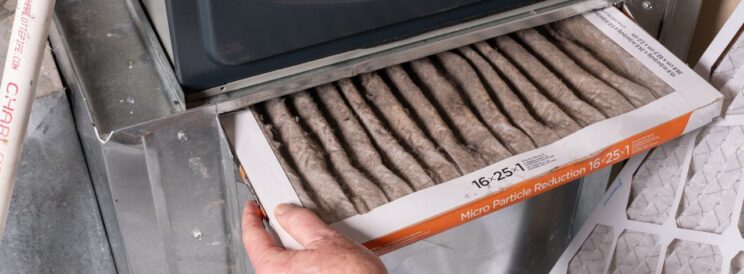
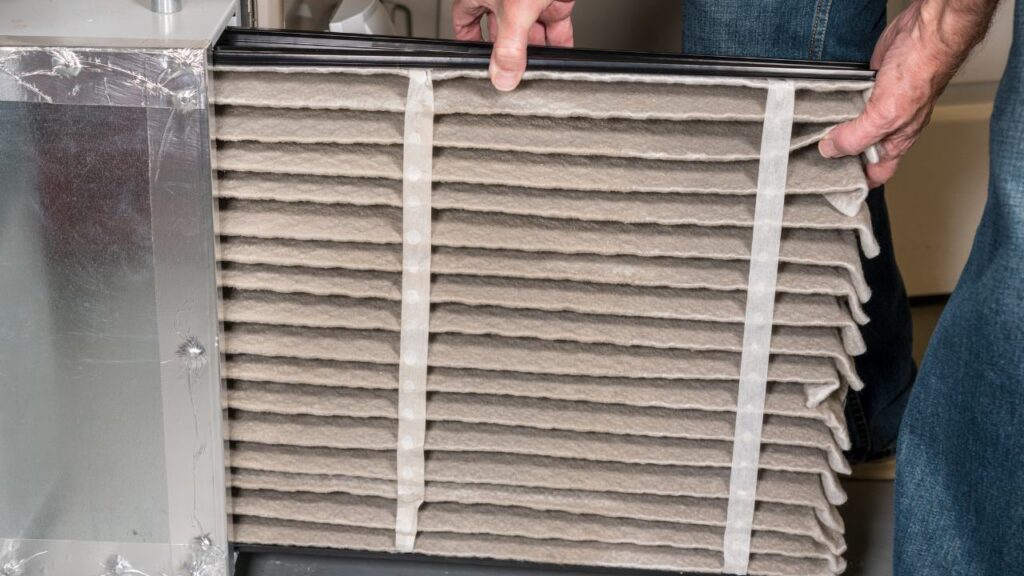
Check the filter – A severely clogged filter can cause a furnace to overheat and shut down. If your filter looks like it hasn’t been changed in months, replacing it may get the system running again.
Check the circuit breaker – A tripped breaker can cut power to your furnace. Reset it once and see if the system comes back online. If it trips again immediately, stop and call a technician.
Check the pilot light or ignition – Older furnaces with a standing pilot light may simply need relighting, following the instructions on the unit. Newer systems use electronic ignition, which you shouldn’t attempt to service yourself.
If none of these quick checks resolve the issue, it’s time to call for help.
Common Causes of Emergency Furnace Breakdowns
Understanding what typically causes a furnace to fail suddenly can help you have a more informed conversation with your technician – and may help prevent the next one.
Ignition or pilot light failure – If your furnace can’t ignite, it won’t produce heat. This is one of the most common emergency furnace repair calls.
Blower motor failure – The blower motor circulates warm air through your home. When it fails, heat doesn’t move, and the system may shut down on overheat protection.
Heat exchanger cracks – A cracked heat exchanger is a serious issue. It can allow combustion gases – including carbon monoxide – to enter your living space. This is not a repair to delay.
Dirty or faulty flame sensor – A flame sensor that’s coated in residue may fail to detect the burner flame and shut the system down as a safety measure.
Condensate line blockage – High-efficiency furnaces produce condensate as a byproduct. A blocked drain line can trigger a safety shutoff.
Many of these issues develop gradually and are caught early with regular servicing. Staying on top of annual HVAC maintenance is one of the most effective ways to avoid a breakdown at the worst possible time.
What to Expect From an Emergency Furnace Repair Call
When you call for emergency furnace repair, a licensed technician will diagnose the problem, explain what’s needed, and give you a clear picture of the repair cost before any work begins. For straightforward issues – a failed igniter, a dirty sensor, a blocked condensate line – repair is often completed in a single visit.
For more serious problems like a cracked heat exchanger or failed blower motor, the technician will advise you on whether repair or replacement is the better long-term decision. An honest assessment of the situation, rather than a push toward the most expensive option, is what you should expect from a reputable service provider.
Foster Heating & Cooling has been providing emergency furnace repair to Victoria homeowners since 1928. Our team is available around the clock so you’re never left without support when it matters most.
How to Reduce the Risk of a Furnace Emergency
No maintenance plan can guarantee a furnace will never fail – but it can significantly reduce the chances of an unexpected breakdown.
Change your filter regularly – every one to three months depending on your system and home. Schedule annual furnace servicing before the heating season begins. Keep the area around your furnace clear of debris. And make sure your carbon monoxide detectors are tested and functional.
A furnace that’s well maintained is less likely to fail mid-winter, and when issues do arise, they’re more likely to be caught early – before they become an emergency.

Victoria Homeowners: Help Is Available 24/7
When the heat goes out and the temperature inside your Victoria home is dropping, you don’t need to wait. Emergency furnace repair is exactly the kind of situation Foster Heating & Cooling is built for. Our licensed technicians are available 24 hours a day, 7 days a week, and we’ll get to you as quickly as possible.
Don’t wait out a cold night hoping the problem resolves on its own – it rarely does. Contact Foster Heating & Cooling now and let us get your heat back on.
Frequently Asked Questions
What should I do first if my furnace stops working?
Start with a few quick checks – your thermostat settings, the circuit breaker, and your air filter. If none of those resolve the issue, call a licensed HVAC technician. If you smell gas or your CO detector is going off, leave the home immediately and call emergency services.
How quickly can I get emergency furnace repair in Victoria?
Foster Heating & Cooling offers 24/7 emergency service across Victoria and Vancouver Island. Response times vary depending on demand and location, but we prioritize getting to you as quickly as possible.
Is emergency furnace repair more expensive than a regular service call?
After-hours and emergency calls typically carry a higher service fee than a standard daytime appointment. Your technician will explain all costs before any work begins.
Can I repair my furnace myself?
Simple things like changing a filter or resetting a tripped breaker are fine to handle yourself. Anything beyond that – gas components, electrical systems, heat exchangers – should be left to a licensed technician. Attempting furnace repairs without the right training can be dangerous.
How do I know if I need a repair or a full replacement?
A technician will assess the issue and give you an honest recommendation. As a general rule, if your furnace is over 15 to 20 years old and facing a costly repair, replacement is often the more economical long-term choice.
What causes a furnace to stop working suddenly?
Common causes include ignition failure, a faulty flame sensor, a tripped limit switch, a blocked condensate line, or a failed blower motor. Regular maintenance catches most of these issues before they cause a breakdown.