
If you’re weighing your options for home cooling – or year-round comfort – you’ve probably come across the heat pump vs air conditioner debate. Both systems can cool your home, but they work differently and serve different purposes. Understanding the distinction helps you make a smarter, longer-lasting decision for your home. This guide breaks down how each system works, how they compare on the factors that matter most, and which one might be the better fit for your situation. You can also explore Foster’s heat pump services if you’re already leaning in that direction.
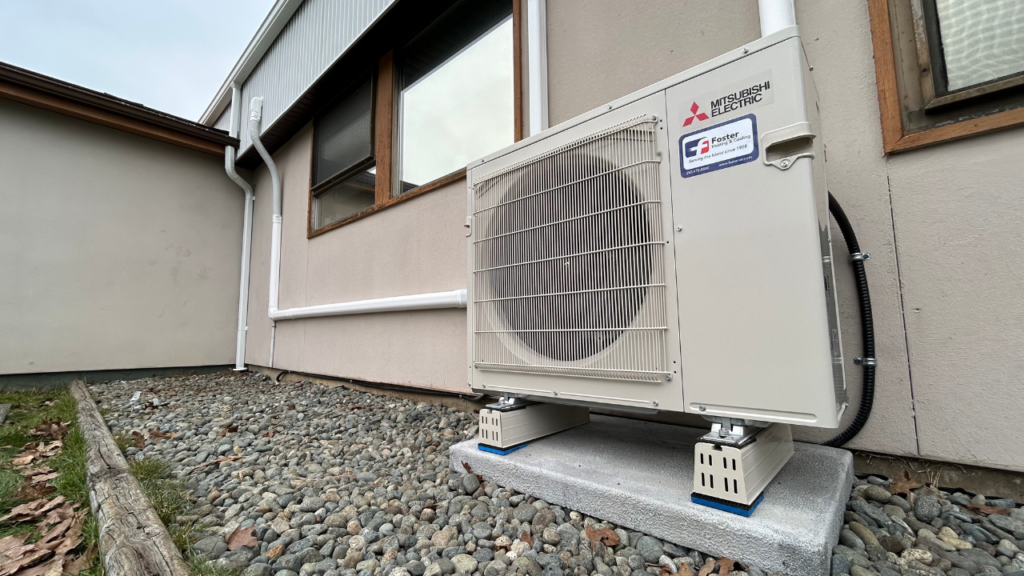
What Is a Heat Pump?
A heat pump is a system that moves heat from one place to another rather than generating it directly. In winter, it extracts heat from the outdoor air and transfers it inside. In summer, it reverses that process – pulling heat out of your home and releasing it outside, which is exactly how cooling works.
This dual capability is what sets a heat pump apart. It’s a single system that handles both heating and cooling, making it a genuine all-season solution. Modern heat pumps – particularly cold-climate models – are engineered to perform efficiently even when outdoor temperatures drop well below freezing.
Heat pumps run on electricity and are among the most energy-efficient systems available for residential use. Natural Resources Canada notes that heat pumps can deliver two to three times more heat energy than the electrical energy they consume, making them significantly more efficient than conventional heating systems.
What Is an Air Conditioner?
A central air conditioner cools your home by removing heat from indoor air and releasing it outside – the same basic process a heat pump uses when it’s in cooling mode. The key difference is that a standard air conditioner only works in one direction. It can cool, but it cannot heat.
Most central air conditioning systems are paired with a gas furnace or electric air handler to cover heating needs separately. This means you’re maintaining two distinct systems rather than one.
Air conditioners are a reliable, well-established technology. For homes that already have a furnace in good condition and are primarily looking to add cooling capability, a traditional air conditioning system can be a straightforward and cost-effective solution.
Heat Pump vs Air Conditioner: How They Compare
Here’s a direct look at how these two systems stack up across the factors homeowners care most about.
Cooling Performance
In terms of cooling your home, a heat pump and an air conditioner perform similarly. Both move heat out of your living space and can keep your home comfortable through warm weather. For most homeowners, there’s no meaningful difference in cooling quality between the two.
Heating Capability
This is the most significant difference in the heat pump vs air conditioner comparison. An air conditioner provides no heating – full stop. A heat pump, on the other hand, works as your primary heating system through the colder months. If you’re looking for a single system that handles both seasons, only a heat pump can do that.
Energy Efficiency
Heat pumps have a clear efficiency advantage over traditional heating systems. Because they move heat rather than generate it, their efficiency ratings are hard to match. When comparing the cooling function specifically, modern heat pumps and high-efficiency air conditioners are broadly comparable – but the heat pump’s heating efficiency is where it really pulls ahead.
Upfront Cost
A heat pump generally costs more upfront than a standalone air conditioner. However, if your home needs both heating and cooling solutions, the comparison shifts. Buying a heat pump replaces the need for a separate furnace or heating system, which can make the combined cost more competitive than purchasing two separate systems.
BC rebates for qualifying heat pump installations can also significantly offset the upfront price difference. Eligible homeowners can access thousands of dollars in incentives through provincial and federal programs.
Lifespan and Maintenance
Both systems typically last 15 to 20 years with proper care. Because a heat pump runs year-round rather than seasonally, it accumulates more operating hours – which makes regular servicing especially important. Staying on top of annual HVAC maintenance keeps both systems running efficiently and extends their useful life.
Climate Suitability
Air conditioners are purpose-built for warm weather and pair well with an existing heating system in colder climates. Heat pumps work well across a wide range of climates, and modern cold-climate models handle freezing temperatures effectively. In milder regions, a heat pump is often an ideal standalone solution for year-round comfort.
Which One Is Right for Your Home?
The answer comes down to what your home already has and what you’re trying to accomplish.
If your home has a relatively new, well-functioning furnace and you simply need to add cooling, a traditional air conditioner is a sensible and cost-effective option. You’re adding one function to an existing setup without disrupting what already works.
If your home needs both a heating upgrade and cooling capability – or if you’re starting from scratch – a heat pump is worth serious consideration. You get a single, efficient system that covers both seasons, strong rebate eligibility in BC, and lower long-term operating costs.
Some homeowners opt for a dual-fuel setup: a heat pump for efficient day-to-day heating and cooling, backed up by a gas furnace for the coldest days of the year. This combines the efficiency benefits of a heat pump with the reassurance of a robust backup heating source.
A licensed HVAC technician can assess your home’s current setup and give you a clear recommendation based on your specific situation.
Making the Right Call for Your Home
The heat pump vs air conditioner question doesn’t have one universal answer – but it’s a more straightforward decision than it might seem once you understand how each system works.
If cooling is all you need, an air conditioner does the job well. If you want an efficient, all-in-one system that handles your home’s comfort year-round, a heat pump is a compelling choice – especially with the rebate programs currently available in BC.
Foster Heating & Cooling has been helping homeowners find the right system for their needs since 1928. If you’re ready to talk through your options and figure out which system makes the most sense for your home, we’re happy to help. Reach out to our team today.
Frequently Asked Questions
What is the main difference between a heat pump and an air conditioner?
The primary difference is that a heat pump both heats and cools, while a standard air conditioner only cools. When it comes to the cooling function itself, both systems work in a similar way – by moving heat out of your home.
Is a heat pump more efficient than an air conditioner?
For cooling, modern heat pumps and high-efficiency air conditioners are broadly comparable. Where a heat pump clearly pulls ahead is in heating – it’s significantly more efficient than conventional heating systems like gas furnaces or electric baseboards.
Can a heat pump replace my air conditioner entirely?
Yes. A heat pump can handle everything an air conditioner does, plus heating. If you’re replacing an air conditioner and also need a heating solution, a heat pump is worth considering as an all-in-one replacement.
Do heat pumps work in cold weather?
Yes. Modern cold-climate heat pumps are designed to operate effectively in freezing temperatures. They’re a reliable year-round solution in most Canadian climates, including the milder coastal regions of BC.
Is a heat pump more expensive than an air conditioner?
A heat pump typically has a higher upfront cost than a standalone air conditioner. However, BC rebate programs can offset this significantly – and if you’re replacing both a heating and a cooling system, a heat pump can be more cost-effective than buying two separate units.
Which system has a longer lifespan?
Both heat pumps and air conditioners typically last 15 to 20 years with regular maintenance. Because a heat pump runs year-round, annual servicing is especially important to keep it in good working order.
How do I know which system is right for my home?
The best starting point is a conversation with a licensed HVAC technician who can assess your home’s current setup, heating and cooling needs, and budget. Foster Heating & Cooling offers honest, no-pressure consultations across Vancouver Island.