
Few things are more frustrating than reaching for the thermostat on a cold morning and realising your furnace isn’t turning on. Before you call for a repair, there are a handful of quick checks worth working through – some of the most common causes of a furnace not turning on have straightforward fixes that don’t require a technician at all. This guide walks you through where to start, what might be causing the problem, and when it’s time to pick up the phone. If you already know you need professional help, Foster’s furnace services are available across Vancouver Island.
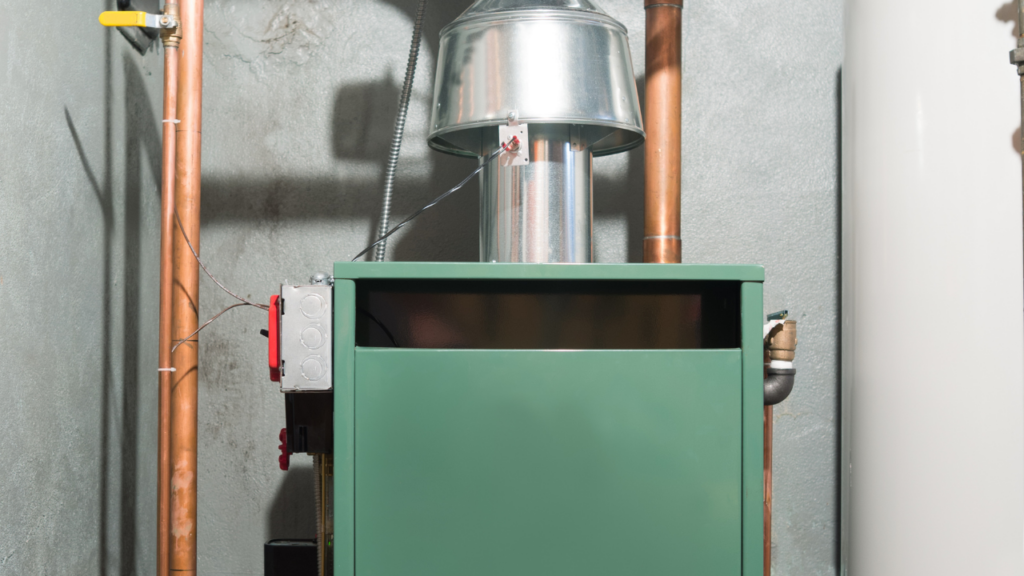
Start with the Simple Checks
When your furnace isn’t turning on, resist the urge to immediately assume the worst. Run through these basics first.
Check your thermostat. It sounds obvious, but thermostat settings are one of the most common culprits. Make sure it’s set to heat – not cool or fan only – and that the temperature is set above the current room temperature. If your thermostat runs on batteries, try replacing them. A thermostat that’s lost power won’t send a signal to your furnace to start.
Check the circuit breaker. Your furnace runs on electricity even if it burns gas. Head to your electrical panel and look for a tripped breaker. If you find one, reset it once. If it trips again immediately, stop and call a technician – a breaker that keeps tripping signals a deeper electrical issue.
Check the power switch. Most furnaces have an on/off switch mounted on or near the unit, which looks similar to a standard light switch. It’s not uncommon for this to get accidentally switched off, especially in utility rooms or storage areas.
Check the filter. A severely clogged filter can cause your furnace to overheat and trigger a safety shutoff. Pull the filter out and hold it up to the light. If it looks grey and solid with no light passing through, replace it and try restarting the furnace.
Make sure all access panels are secure. Many furnaces have a safety switch that cuts power when an access panel is open or not fully closed. If a panel was recently removed for any reason, check that it’s properly seated.
Common Reasons a Furnace Won’t Turn On
If the basic checks don’t resolve the issue, one of the following is likely at the root of it.
Ignition or Pilot Light Failure
Modern furnaces use electronic ignition rather than a standing pilot light, but both can fail. If your furnace is attempting to start – you might hear it click repeatedly – but no flame is being established, ignition failure is likely. On older units with a standing pilot, the pilot may simply have gone out and need relighting following the instructions on the unit. Electronic ignition issues generally require a technician.
Flame Sensor Problems
The flame sensor is a small rod that detects whether the burner has ignited. Over time it can become coated with residue, which prevents it from detecting the flame properly. When it can’t confirm a flame, the furnace shuts down as a safety measure. A dirty flame sensor is one of the most common causes of a furnace that starts briefly and then shuts off again.
Blocked or Frozen Condensate Line
High-efficiency furnaces produce condensate as a byproduct of combustion. This moisture drains away through a condensate line. If that line becomes blocked or frozen, the furnace will trigger a safety shutoff to prevent overflow. Check whether the condensate line is clear and free of visible blockages.
Gas Supply Issues
If your furnace isn’t receiving gas, it won’t ignite. Check that the gas valve on the supply line to the furnace is in the open position – the handle should be parallel to the pipe, not perpendicular. If other gas appliances in your home are also not working, the issue may be with the supply to the house rather than the furnace itself. Contact your gas provider.
Limit Switch Tripped
The high-limit switch is a safety component that shuts the furnace down if it detects overheating. A clogged filter, blocked vents, or a faulty blower motor can all cause the limit switch to trip. Once triggered, it may reset automatically after the furnace cools – but if it keeps tripping, the underlying cause needs to be addressed.
Inducer or Blower Motor Failure
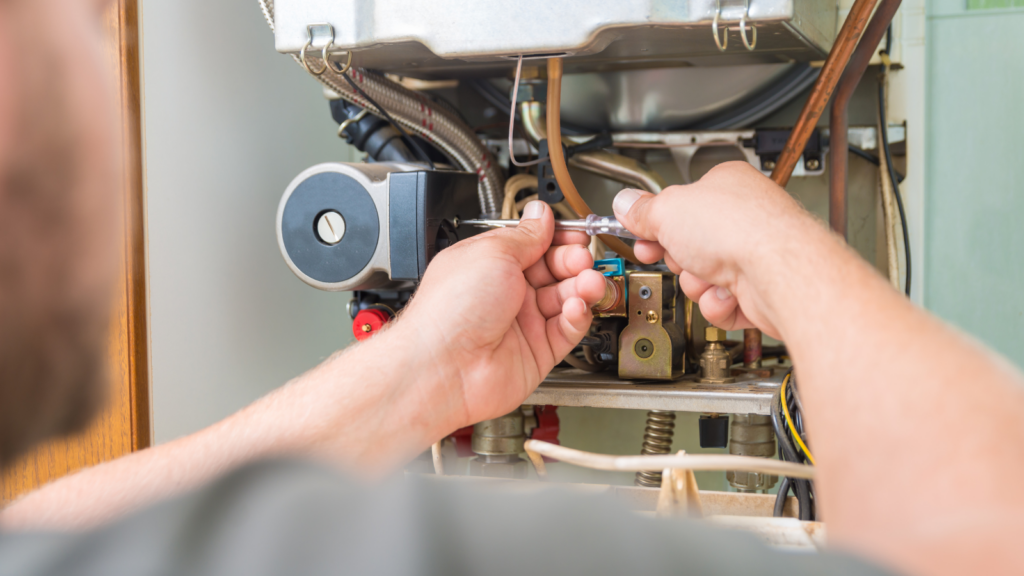
The inducer motor vents combustion gases before ignition begins, and the blower motor circulates warm air through your home. If either fails, the furnace won’t complete its startup sequence. These are mechanical components that require professional diagnosis and replacement.
When It’s a Safety Issue
Some situations go beyond a simple repair call. If you smell gas near your furnace, leave the house immediately, avoid using any switches or electronics, and call your gas provider and emergency services from outside. Do not re-enter until the all-clear is given.
If your carbon monoxide detector is going off, treat it as an emergency regardless of whether your furnace appears to be running normally. Health Canada recommends that every home have working CO detectors installed near sleeping areas and on every level of the home.
When to Call a Professional
Some furnace issues are safe and simple to investigate yourself. Others aren’t. Call a licensed HVAC technician if:
- The furnace is attempting to start but failing to ignite
- You’ve reset the breaker and it trips again
- You smell gas or suspect a CO leak
- The furnace runs briefly and then shuts off repeatedly
- Any mechanical components appear damaged or worn
- You’ve worked through all the basic checks and still have no heat
Attempting to diagnose or repair gas components, electrical systems, or heat exchangers without the right training is dangerous. When in doubt, call a professional.
How to Prevent a Furnace from Failing to Start
Many of the issues that cause a furnace not to turn on are preventable with basic upkeep. Changing your filter regularly – every one to three months for standard filters – prevents the airflow restriction that leads to overheating and safety shutoffs. Keeping vents and registers clear of furniture and obstructions helps the system run as designed.
Most importantly, annual professional servicing catches developing problems before they cause a breakdown. A technician will clean the flame sensor, check ignition components, inspect the heat exchanger, and make sure every safety control is functioning correctly. Foster’s HVAC maintenance services cover all of this and are available across Vancouver Island ahead of the heating season.

Getting Your Heat Back On
A furnace not turning on is disruptive, but it’s often a problem with a clear cause. Start with the simple checks – thermostat settings, the circuit breaker, the filter, and access panels – before assuming a major repair is needed. If those don’t resolve it, the issue likely lies with an ignition component, a safety switch, or another internal part that a technician can diagnose quickly.
Foster Heating & Cooling has been helping homeowners get their heat back on since 1928. If you’ve worked through the basics and still can’t get your furnace running, our team is ready to help. Contact us today and we’ll get your system sorted.
Frequently Asked Questions
Why is my furnace not turning on even though the thermostat is set correctly?
There are several possible causes – a tripped circuit breaker, a clogged filter triggering a safety shutoff, an ignition failure, or a faulty flame sensor. Work through the basic checks first, and if those don’t resolve it, call a licensed technician.
What should I do if my furnace tries to start but keeps shutting off?
A furnace that attempts to start and then shuts off repeatedly is often dealing with a dirty flame sensor, a tripped limit switch, or an ignition issue. These require professional diagnosis – it’s not something to troubleshoot by restarting the system repeatedly.
Can a dirty filter stop a furnace from turning on?
Yes. A severely clogged filter restricts airflow and can cause the furnace to overheat, which triggers a safety shutoff. Replacing a clogged filter and restarting the system sometimes resolves the issue entirely.
Is it safe to reset my furnace if it won’t turn on?
Resetting the thermostat or circuit breaker once is generally safe. If the furnace fails to start again or the breaker trips immediately after being reset, stop and call a technician. Repeated resets without resolving the underlying cause can cause further damage.
How do I know if my furnace issue is a gas problem?
If you smell gas near your furnace or anywhere in your home, leave immediately and call your gas provider and emergency services from outside. If other gas appliances in your home are also not working but there’s no smell, the issue may be with the gas supply – contact your provider to check.
Could my furnace not turning on be a sign I need a replacement?
If your furnace is older than 15 to 20 years and requiring frequent repairs, a breakdown can be a signal that replacement is worth considering. A technician can assess the condition of your system and help you weigh repair against replacement.