

It’s one of the most common questions homeowners ask before making the switch: do heat pumps use a lot of electricity? The concern is understandable – a system that runs year-round for both heating and cooling sounds like it could drive up your energy bills significantly. The reality is more encouraging than most people expect. Heat pumps are among the most electrically efficient systems available for home heating and cooling, and understanding how they use electricity helps explain why. This guide breaks down what you can realistically expect for your energy consumption when running a heat pump.
How Heat Pumps Use Electricity
To understand heat pump electricity use, it helps to understand what the system is actually doing. Unlike an electric furnace or baseboard heater – which converts electricity directly into heat – a heat pump uses electricity to move heat from one place to another.
In winter, it extracts heat from the outdoor air and transfers it inside. In summer, it reverses the process. The electricity powers the compressor and fans that drive this transfer, not the creation of heat itself. That distinction is what makes heat pumps so efficient – they’re not generating heat from scratch, they’re relocating it.
According to Natural Resources Canada, heat pumps can deliver two to three times more heat energy than the electrical energy they consume. That ratio – known as the coefficient of performance – is what sets them apart from conventional electric heating systems.
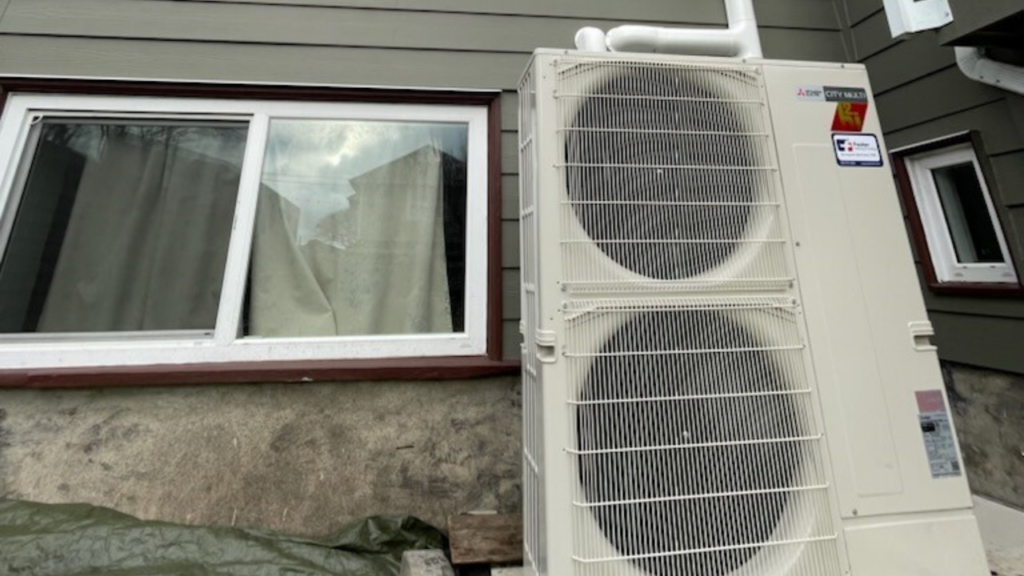
How Heat Pump Electricity Use Compares to Other Systems
Context makes the numbers meaningful. Here’s how a heat pump stacks up against the most common alternatives.
Electric baseboard heaters. Baseboard heaters convert electricity to heat at a 1:1 ratio – one unit of electricity produces one unit of heat. A heat pump producing two to three units of heat for every one unit of electricity is dramatically more efficient. Homeowners switching from electric baseboards often see noticeable reductions in their energy bills.
Gas furnaces. A gas furnace burns fuel rather than running on electricity, so the comparison is less direct. A heat pump does use more electricity than a gas furnace – but it uses no gas at all. Whether that’s cheaper depends on current electricity and natural gas prices in your area, your system’s efficiency rating, and how much your home needs to be heated.
Central air conditioners. When comparing the cooling function specifically, a heat pump and a high-efficiency air conditioner use broadly similar amounts of electricity. The heat pump’s advantage is that it replaces a separate heating system as well.
What Affects How Much Electricity a Heat Pump Uses?
A heat pump’s electricity consumption isn’t fixed – several factors influence how much it draws at any given time.
Outdoor Temperature
Heat pumps work most efficiently when outdoor temperatures are mild. As temperatures drop, the system works harder to extract heat from the air, which increases electricity use. Modern cold-climate heat pumps are engineered to handle low temperatures efficiently, but there is still some increase in consumption during the coldest stretches of winter.
Home Insulation and Air Sealing
A well-insulated, well-sealed home retains heat more effectively, which means your heat pump doesn’t need to run as long or work as hard. Improving insulation and sealing drafts is one of the best things you can do to reduce energy consumption across any heating system – heat pump or otherwise.
System Sizing
A heat pump that’s correctly sized for your home runs in efficient, steady cycles. An undersized system runs constantly trying to keep up with demand, consuming more electricity in the process. An oversized system short-cycles – turning on and off too frequently – which is also inefficient. Proper sizing during installation matters.
Thermostat Settings
Large, sudden temperature changes require the system to work harder than gradual, consistent settings. Keeping your thermostat at a moderate, stable temperature is easier on the system and more efficient than turning it down significantly and then back up again.
System Age and Maintenance
A well-maintained heat pump runs more efficiently than a neglected one. Dirty filters, low refrigerant, or worn components all increase electricity consumption. Regular servicing keeps the system running at its rated efficiency.
Will a Heat Pump Increase My Electricity Bill?
For homeowners currently using electric baseboard heating, the answer is typically no – quite the opposite. Because a heat pump is so much more efficient than baseboards, most households see a reduction in overall electricity costs after switching, even accounting for the fact that the heat pump is now handling all the heating load.
For homeowners switching from a gas furnace, electricity bills will increase – because the heat pump runs on electricity rather than gas. Whether the total energy cost goes up or down depends on the relative cost of electricity versus natural gas in your area at the time of comparison. Many BC homeowners find the switch cost-neutral or cost-positive, particularly when provincial and federal rebates are factored into the equation. Check out Foster’s current promotions and rebates to see what incentives are currently available.
For homeowners replacing an older, lower-efficiency system of any kind, the improved efficiency of a modern heat pump frequently results in meaningful savings over time.
Tips for Keeping Heat Pump Electricity Use Low
Getting the most efficiency from your heat pump doesn’t require much effort – a few consistent habits make a real difference.
Keep filters clean. A clogged filter restricts airflow and forces the system to work harder. Check your filter monthly and replace it when it looks dirty.
Use a programmable or smart thermostat. Setting modest temperature adjustments on a schedule – rather than dramatic swings – keeps the system running efficiently without sacrificing comfort.
Don’t block vents or the outdoor unit. Obstructed airflow reduces efficiency. Keep indoor registers clear of furniture and make sure the outdoor unit has adequate clearance from vegetation and debris.
Schedule annual servicing. A professional tune-up keeps every component running at its rated efficiency and catches issues before they start affecting performance. Foster’s HVAC maintenance services are available across Vancouver Island and cover everything your heat pump needs to operate at its best.
Upgrade insulation if possible. A tighter, better-insulated home reduces how hard your heat pump needs to work – which directly reduces electricity consumption.
So, Do Heat Pumps Use a Lot of Electricity?
Relative to the heat they produce, no – heat pumps are among the most electricity-efficient heating systems available. Relative to a gas furnace, yes, they use more electricity – but they also eliminate gas consumption entirely, which shifts the comparison.
The more useful question is how much it will cost to run a heat pump in your specific home, given your current heating system, your insulation, your local energy prices, and the efficiency of the system you choose. A qualified technician can give you a realistic picture of what to expect before you commit.
Foster Heating & Cooling has been helping homeowners make confident decisions about their heating and cooling since 1928. If you’d like to understand what a heat pump would mean for your energy bills, we’re happy to walk you through it. Get in touch with our team today.
Frequently Asked Questions
Do heat pumps use a lot of electricity compared to other heating systems?
Compared to electric baseboard heaters, heat pumps use significantly less electricity to produce the same amount of heat – typically two to three times less. Compared to gas furnaces, they use more electricity, but no gas. The overall cost comparison depends on local energy prices and your home’s specific setup.
Will my electricity bill go up if I install a heat pump?
It depends on what you’re replacing. Homeowners switching from electric baseboards usually see their electricity bills decrease. Those switching from gas heating will see electricity bills increase, but gas costs disappear. Many BC homeowners find the switch cost-neutral or better, especially after rebates.
How much electricity does a heat pump use per month?
This varies considerably based on home size, insulation, climate, thermostat settings, and system efficiency. A technician can give you a usage estimate based on your specific home and the system you’re considering.
Do heat pumps use more electricity in cold weather?
Yes, somewhat. As outdoor temperatures drop, a heat pump works harder to extract heat from the air, which increases electricity consumption. Modern cold-climate heat pumps are designed to minimize this effect and maintain good efficiency even in colder conditions.
What is the most efficient way to run a heat pump?
Keep filters clean, maintain consistent thermostat settings rather than large temperature swings, ensure the outdoor unit has good clearance, and schedule annual professional servicing. A well-maintained, correctly sized heat pump in a well-insulated home will operate at peak efficiency.
Is a heat pump more efficient than an electric furnace?
Yes – significantly. An electric furnace converts electricity to heat at a 1:1 ratio. A heat pump delivers two to three units of heat per unit of electricity consumed, making it far more efficient for the same heating output.