
When you’re investing in a home heating and cooling system, lifespan is a fair thing to think about. How long does a heat pump last, and what can you do to make sure yours goes the distance? The short answer is that most heat pumps last between 15 and 20 years – but that range can shift significantly depending on how the system is installed, how well it’s maintained, and how hard it works. This guide covers what shapes a heat pump’s lifespan and what you can do to protect your investment. If you’re exploring your options, take a look at Foster’s heat pump services to see what’s available.
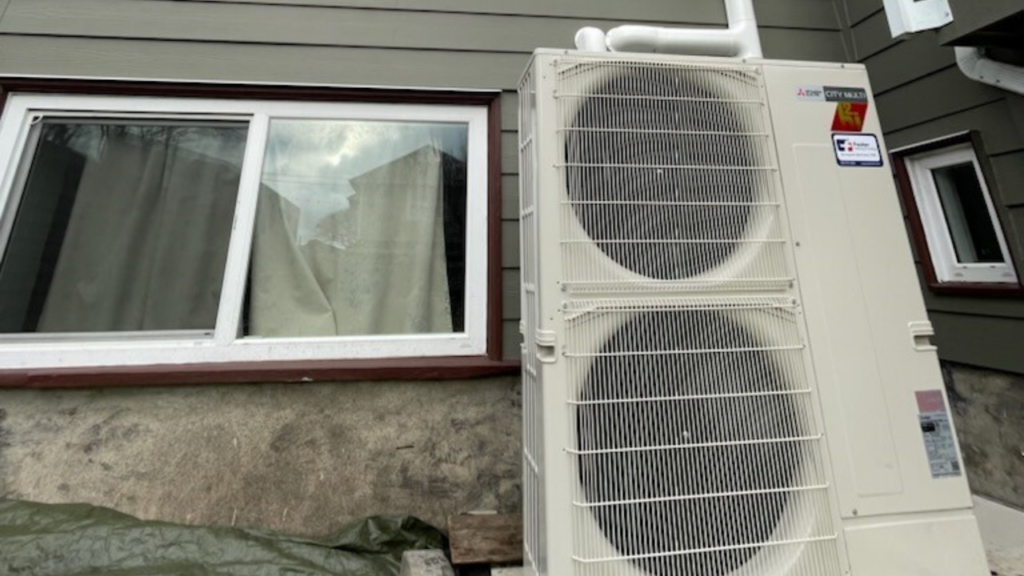
The Average Heat Pump Lifespan
Most heat pumps are built to last 15 to 20 years under normal operating conditions. That’s a solid run for a system that works year-round – handling both heating in winter and cooling in summer – unlike a furnace or air conditioner that only operates seasonally.
Some well-maintained systems push past the 20-year mark. Others start showing significant wear closer to the 12 to 15 year range, particularly if maintenance has been inconsistent or the system was undersized for the home it was installed in.
According to Natural Resources Canada, proper installation and regular maintenance are the two biggest factors in determining how long a heat pump lasts – more so than brand or model in many cases.
What Affects How Long a Heat Pump Lasts
Several variables determine where your system lands within – or outside – that 15 to 20 year window.
Installation Quality
A heat pump that’s correctly sized and professionally installed starts its life in the best possible position. An undersized system will struggle to meet demand and run constantly, wearing out faster. An oversized system will short-cycle – turning on and off too frequently – which puts unnecessary strain on components. Getting the installation right from the beginning matters more than most homeowners realise.
Maintenance
This is the single most controllable factor in heat pump longevity. A system that receives annual servicing, clean filters, and prompt attention to small issues will consistently outlast one that’s left to run without care. Heat pumps have more moving parts than most home systems, and those parts benefit from regular inspection and cleaning.
How Hard the System Works
A heat pump running in a mild climate with moderate demand will generally last longer than one working overtime in a colder region with extreme temperature swings. Systems that run at high capacity for extended periods accumulate wear more quickly.
System Type
Ductless mini-split heat pumps tend to have a slightly longer average lifespan than ducted central systems, partly because they experience less stress on components like blower motors and ductwork. That said, both types are capable of lasting well into the 15 to 20 year range with proper care.
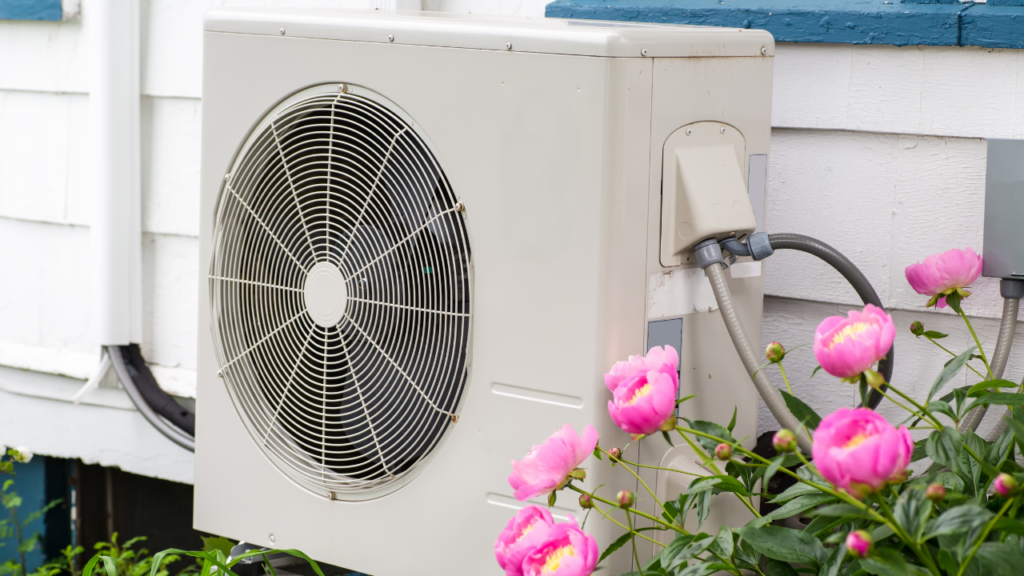
Signs Your Heat Pump May Be Nearing the End
Even a well-maintained system will eventually reach the end of its useful life. Here are some signs that your heat pump may be getting close:
Increasing repair frequency. One repair every few years is normal. If you’re calling for service regularly – or facing the same recurring issue – the system may be telling you something.
Rising energy bills without explanation. An aging heat pump loses efficiency over time. If your bills are climbing but your usage hasn’t changed, declining system performance could be the reason.
Inconsistent comfort. Struggling to maintain temperature, uneven heating or cooling across rooms, or a system that runs constantly without hitting the set temperature are all signs of a system under strain.
Unusual noises. Grinding, rattling, or banging sounds from a heat pump that used to run quietly often indicate worn mechanical components.
Age. If your system is approaching or past the 15-year mark and starting to show any of the above signs, it’s worth having a technician assess whether repair or replacement makes more sense.
Heat Pump Repair vs Replacement: How to Decide
When an older heat pump needs a significant repair, the question becomes whether it’s worth fixing or better to replace it. A useful rule of thumb is the 50 percent rule: if the cost of the repair exceeds 50 percent of the cost of a new system, replacement is usually the smarter financial decision – especially if the unit is already past the 12 to 15 year mark.
A newer system will also be more efficient than an older one, which means lower energy bills from day one. Factor in available BC rebates on qualifying new heat pump installations, and replacement can make a strong financial case even before the old system has fully failed.
A licensed technician can give you an honest assessment and help you weigh the numbers specific to your situation.
How to Extend the Life of Your Heat Pump
The good news is that getting more years from your heat pump isn’t complicated. A few consistent habits make a meaningful difference.
Schedule annual professional servicing. A yearly inspection and tune-up keeps your system running cleanly and catches developing issues before they become expensive ones. Foster’s HVAC maintenance services cover everything your heat pump needs to stay in top condition through every season.
Change or clean filters regularly. Restricted airflow forces your system to work harder than it should. Check your filter monthly and replace it when it looks dirty – typically every one to three months for standard filters.
Keep the outdoor unit clear. Leaves, debris, and overgrown vegetation around the outdoor unit restrict airflow and put extra strain on the compressor. Keep the area around the unit clear and hose it down periodically to remove dust and buildup.
Don’t ignore small issues. A minor noise or a slight drop in performance is worth investigating. Small problems that go unaddressed have a way of becoming larger, more expensive ones.
Use your system consistently. Extreme temperature swings caused by turning a heat pump fully off and back on repeatedly can add unnecessary wear. Keeping it running at a moderate, consistent setting is generally easier on the system.
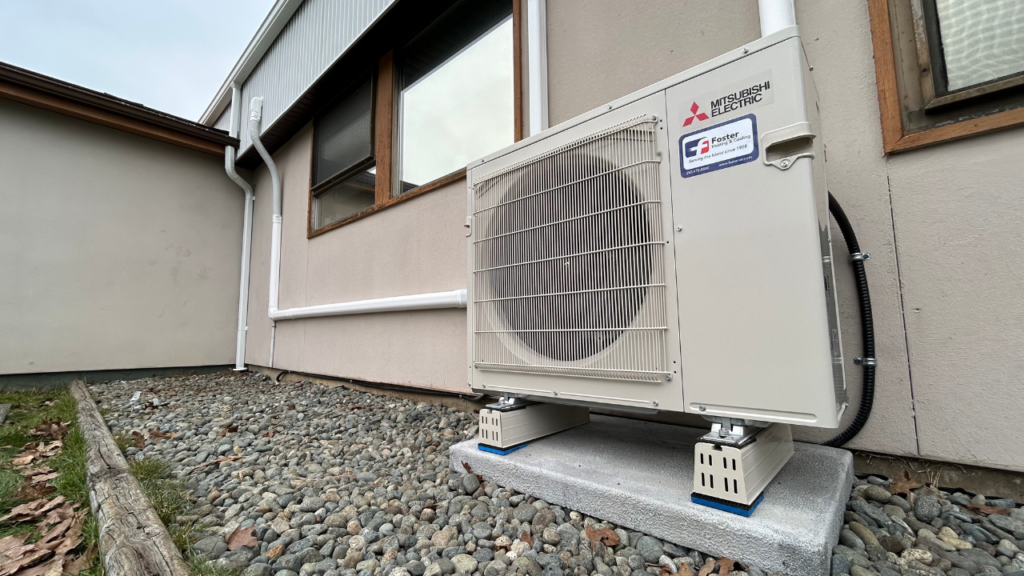
Getting the Full Life from Your Heat Pump
How long does a heat pump last? For most homeowners, somewhere between 15 and 20 years – and with the right care, sometimes longer. That lifespan is shaped by factors you can control: good installation, regular maintenance, and prompt attention when something seems off.
A heat pump is a significant investment, and it’s worth treating it like one. Foster Heating & Cooling has been helping homeowners keep their systems running well since 1928. If you have questions about your current heat pump or want to explore a new installation, our team is here to help. Get in touch with us today.
Frequently Asked Questions
How long does a heat pump last on average?
Most heat pumps last between 15 and 20 years with regular maintenance. Some well-maintained systems run longer, while others may show significant wear earlier if maintenance has been inconsistent or the system was incorrectly sized.
Do heat pumps last as long as gas furnaces?
Gas furnaces typically last 20 to 30 years, which gives them a lifespan edge over most heat pumps. However, a heat pump replaces both a furnace and an air conditioner, and its 15 to 20 year lifespan compares favourably to the 15 to 20 year lifespan of a central air conditioner.
What shortens a heat pump’s lifespan?
Poor installation, infrequent maintenance, running the system with a clogged filter, and operating in very demanding conditions are the most common factors that reduce how long a heat pump lasts.
How do I know when to replace rather than repair my heat pump?
If the repair cost exceeds roughly 50 percent of the cost of a new system – and the unit is already past the 12 to 15 year mark – replacement is usually the better financial decision. A technician can help you assess the specific situation.
Does a heat pump need servicing every year?
Yes. Annual professional servicing is one of the most effective things you can do to extend your heat pump’s lifespan. It keeps the system running efficiently and catches developing issues before they become costly.
Can I extend my heat pump’s lifespan myself?
Yes, to a degree. Keeping filters clean, maintaining clearance around the outdoor unit, and not ignoring small issues all help. That said, annual professional servicing covers the things a homeowner can’t easily check or address, and it’s the most impactful thing you can do for longevity.