
If some rooms in your home are comfortably warm while others stay stubbornly cold, you’re dealing with one of the most common HVAC complaints homeowners have. Uneven heating is frustrating – and it usually points to something specific that can be identified and addressed. Knowing how to fix uneven heating in your house starts with understanding what’s causing it. This guide covers the most common culprits and what you can do about each one. If you’d like a professional assessment of your system, Foster’s HVAC maintenance services are available across Vancouver Island.
Why Is My House Heating Unevenly?
Uneven heating rarely has a single universal cause. It’s usually the result of one or more factors working together – some related to the heating system itself, others to the home’s structure and insulation. Identifying the right cause is the key to finding the right fix.
Check the Basics First
Before looking at larger solutions, it’s worth working through a few simple checks that resolve more uneven heating problems than you’d expect.
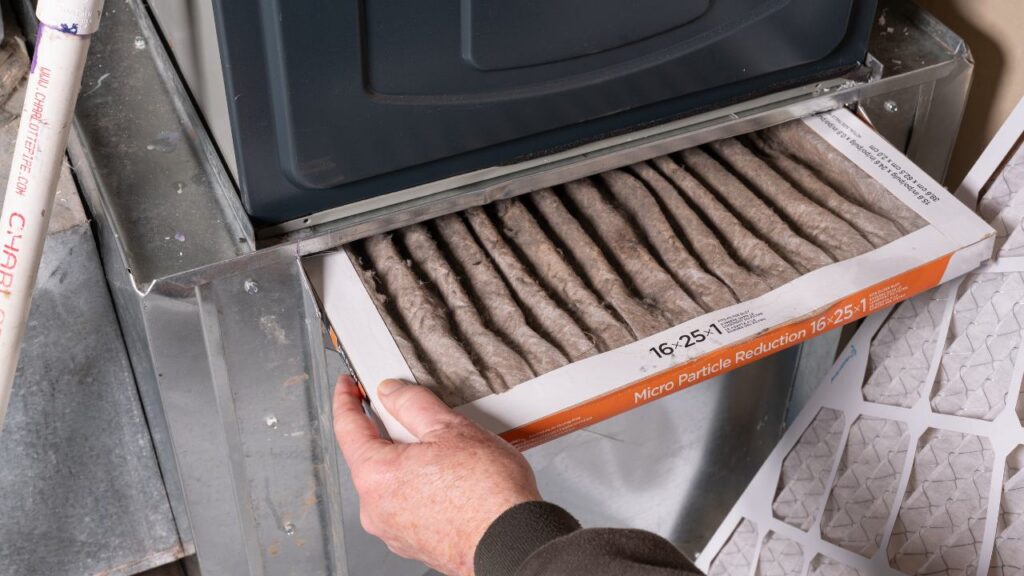
Check and replace your filter. A clogged air filter restricts airflow through the system. When the furnace or heat pump can’t move air effectively, some rooms get less heat than others. Pull the filter out and replace it if it looks grey and solid. This is one of the easiest and most impactful things a homeowner can do.
Check that all vents are open. It’s a common instinct to close vents in unused rooms to save energy – but this actually disrupts the system’s airflow balance and can worsen uneven heating throughout the home. Make sure every register is fully open and unobstructed by furniture, rugs, or curtains.
Check the thermostat location. If your thermostat is placed near a heat source – a sunny window, a lamp, or a kitchen – it may read the room as warmer than it actually is and cut the heating cycle short before the rest of the home reaches temperature. A poorly positioned thermostat can create uneven results without anything being wrong with the system itself.
Common Causes of Uneven Heating
Leaky or Poorly Designed Ductwork
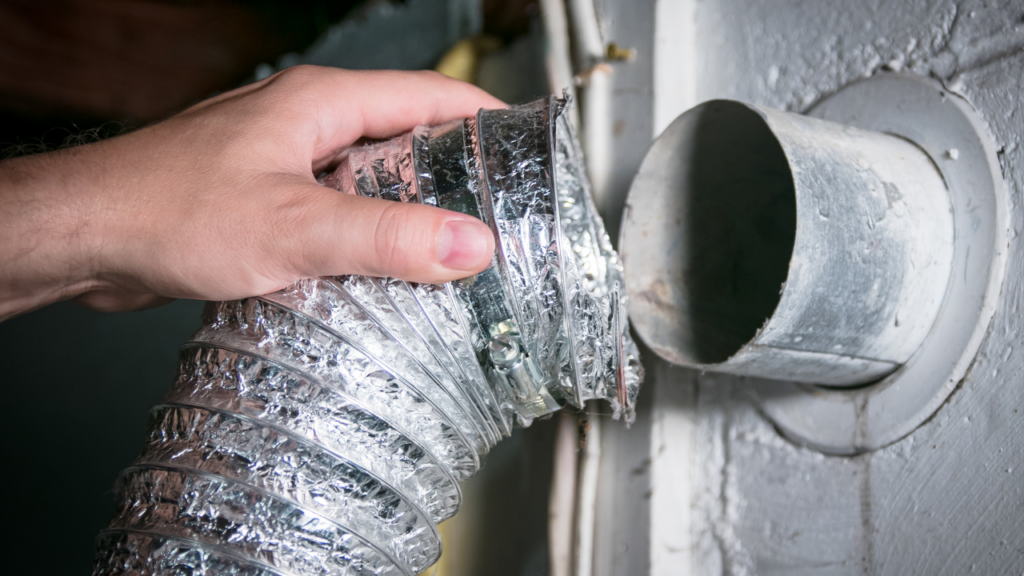
In ducted systems, ductwork is one of the most frequent sources of uneven heating. Ducts that have gaps, loose joints, or poor insulation lose conditioned air before it reaches the intended room – particularly in ducts running through unconditioned spaces like attics, crawlspaces, or exterior walls.
Older duct systems may also have been designed without proper balance in mind, leaving some runs too long or too restrictive to deliver adequate airflow to distant rooms. A technician can inspect your ducts, identify leaks, and make adjustments to balance airflow through the system.
An Undersized or Oversized Heating System
A system that’s too small for your home will struggle to maintain even temperatures, particularly in colder weather. A system that’s oversized will short-cycle – turning on and off too quickly to properly distribute heat before shutting down. Either scenario results in uneven comfort.
If your current system was never properly sized for your home – or if you’ve added square footage since it was installed – this could be the root of the problem. A heat load calculation by a licensed technician determines the right system capacity for your specific home.
Poor Insulation and Air Leaks
Even a well-functioning heating system can’t compensate for a poorly insulated home. Rooms with inadequate insulation in the walls, ceiling, or floor lose heat faster than the system can replace it – making them feel perpetually cold regardless of what the thermostat says.
Air leaks around windows, doors, electrical outlets, and penetrations in the building envelope compound the problem. According to Natural Resources Canada, air leakage is one of the leading causes of energy loss and comfort problems in Canadian homes. Sealing these gaps and upgrading insulation where needed addresses the root cause rather than just the symptom.
Two-Story or Multi-Level Homes
Heat rises – which is straightforward physics but a real challenge for homes with multiple levels. Upper floors tend to be warmer than lower levels in heating season, and that temperature difference can be pronounced in open-concept homes where air moves freely between floors.
Addressing this often requires a combination of approaches: adjusting dampers in the duct system, improving insulation on the upper level, and in some cases adding supplemental heating or cooling to specific zones.
A Single Thermostat Controlling the Whole Home
A single thermostat measures temperature in one location and controls the system based on that single reading. If your living room is at the target temperature but your bedroom is cold, the thermostat doesn’t know – and the system won’t compensate.
This is a structural limitation of single-zone systems rather than a malfunction, and it’s one of the most common reasons homes heat unevenly.
Solutions for Uneven Heating
Balance Your Duct System
If your home has ductwork, a technician can balance the system by adjusting dampers – internal controls inside the duct runs – to direct more airflow to rooms that are consistently underheated and reduce it in rooms that are already comfortable. This is a relatively low-cost intervention that can make a significant difference in how evenly heat is distributed.
Seal and Insulate Your Ducts
If duct leakage is contributing to the problem, sealing and insulating the affected runs addresses it at the source. This is particularly effective for ducts in unconditioned spaces where heat loss is most significant.
Improve Insulation and Air Sealing
Upgrading insulation in problem rooms – particularly in exterior walls, attics above cold rooms, and floors above unheated crawlspaces – reduces heat loss and makes it easier for the system to maintain consistent temperatures. Sealing air leaks around windows, doors, and penetrations complements the insulation work.
Add Zone Control to Your Ducted System
Some ducted systems can be upgraded with zone control – motorized dampers controlled by multiple thermostats – that allow different areas of the home to be heated independently. This is a more involved upgrade, but it addresses the single-thermostat limitation directly.
Consider a Ductless Mini-Split for Problem Rooms
For rooms that consistently underperform – a basement suite, a converted garage, a home addition, or a room that can’t easily be reached by the existing duct system – a ductless mini-split is often the most practical and effective solution. A wall-mounted indoor unit delivers heat directly to the room, independent of the central system. It can be set to whatever temperature that room needs without affecting the rest of the house.
This approach is also well-suited to older homes where extending or modifying ductwork isn’t practical.
Upgrade to a Zoned Heat Pump System
A multi-zone heat pump system – whether ducted with zone control or ductless with multiple indoor units – is the most comprehensive solution to uneven heating. Each zone operates independently, with its own temperature setting, so every room in the home can be kept at exactly the comfort level you want.
Mitsubishi heat pumps with multi-zone capability are particularly well-suited to this kind of setup. Their precise inverter technology and room-by-room control eliminate the hot-and-cold-spot problem at its root rather than working around it.
When to Call a Professional
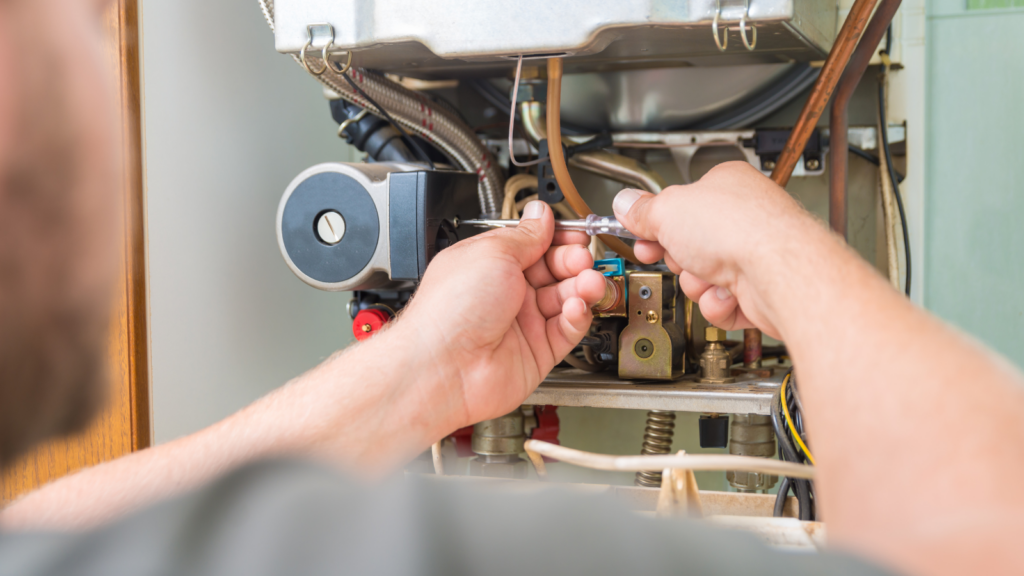
Some causes of uneven heating – a clogged filter, a blocked vent – are easy for a homeowner to address directly. Others require professional diagnosis and intervention.
Call a licensed HVAC technician if:
- Replacing the filter and opening vents doesn’t improve the situation
- You suspect duct leakage or poor duct balance
- Certain rooms are consistently cold regardless of what you try
- Your system is older and you suspect it may be undersized or oversized
- You’re considering adding zone control or a supplemental unit
Regular annual servicing also catches developing issues before they turn into comfort problems. A technician who knows your system well is in the best position to identify early signs of duct deterioration, airflow imbalance, or equipment wear that can contribute to uneven heating over time.
Getting Even Comfort Throughout Your Home
Knowing how to fix uneven heating in your house depends on understanding what’s driving it. In many cases, the solution is simpler than homeowners expect – a filter change, a vent adjustment, some duct sealing. In others, a zoning upgrade or supplemental unit is the right long-term answer.
The key is diagnosing the actual cause rather than guessing. Foster Heating & Cooling has been helping homeowners get comfortable and stay that way since 1928. If uneven heating is affecting your home and you’d like a professional to take a look, our team is here to help. Get in touch with us today.
Frequently Asked Questions
What causes uneven heating in a house?
The most common causes are clogged air filters, blocked or closed vents, duct leaks or poor duct balance, inadequate insulation, air leaks around windows and doors, an incorrectly sized heating system, and a single-zone thermostat that can’t account for temperature differences between rooms.
How do I fix cold rooms in my house?
Start with the basics – replace the filter and make sure all vents are fully open and unobstructed. If that doesn’t help, check for obvious air leaks around windows and doors. For persistent cold rooms, duct balancing, insulation upgrades, or a supplemental ductless unit are worth investigating with a professional.
Can closing vents in unused rooms help with uneven heating?
No – it usually makes things worse. Closing vents disrupts the airflow balance the system was designed around, which can increase pressure in the duct system, reduce efficiency, and worsen uneven heating in other parts of the home. Keep all vents open.
Is uneven heating a sign my furnace or heat pump needs replacing?
Not necessarily. Uneven heating is often caused by factors outside the main unit itself – duct issues, insulation gaps, or system imbalance. That said, a system that’s significantly undersized or very old may be contributing to the problem. A technician can assess whether the equipment is performing as it should.
Would a ductless mini-split fix my uneven heating problem?
For rooms that consistently underperform, a ductless mini-split is often one of the most effective solutions. It delivers heating and cooling directly to the room, independent of the central system, and can be set to whatever temperature that space needs.
How often should I have my heating system serviced to prevent uneven heating?
Annual professional servicing is the standard recommendation. A regular service visit keeps the system running at its rated efficiency, checks duct condition and airflow, and catches developing issues before they affect comfort throughout the home.