
When it comes to premium heat pumps, Mitsubishi Electric and Daikin are two of the most respected names in the industry. Both brands build high-quality, efficient systems that can heat and cool a home effectively – but they’re not identical, and the differences matter when you’re making a long-term investment in your home’s comfort. At Foster Heating & Cooling, we install both brands, and we’ve put together this honest comparison to help you understand how they stack up. If you’d like to dive deeper into why we recommend Mitsubishi as our preferred choice, our Why Mitsubishi? page covers it in detail.
About Mitsubishi Electric Heat Pumps
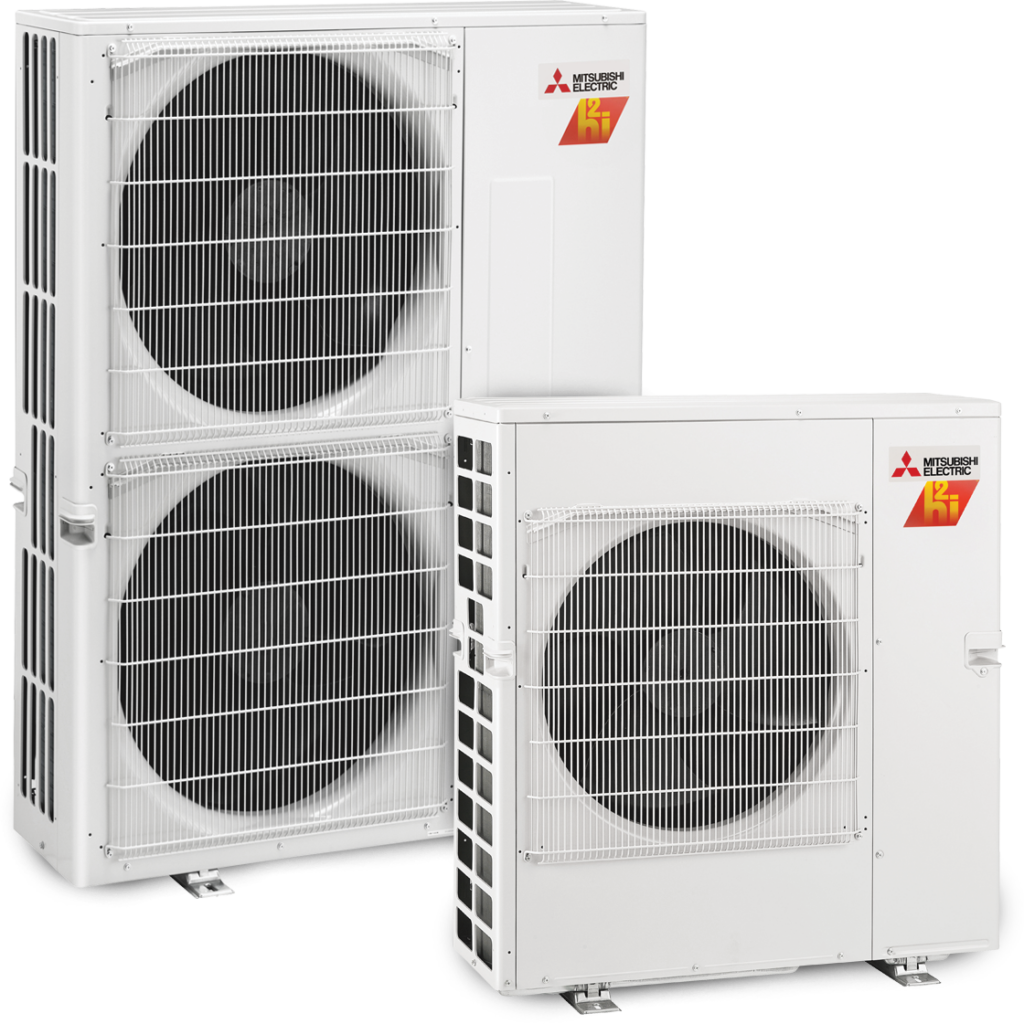
Mitsubishi Electric is widely regarded as the pioneer of ductless heat pump technology in North America, and the brand has built its reputation on performance, efficiency, and reliability. Their systems are designed for homeowners who want the best – and the engineering reflects that positioning.
The standout feature in Mitsubishi’s lineup is Hyper-Heating INVERTER technology, known as H2i. This proprietary system allows a Mitsubishi heat pump to deliver consistent heat even when outdoor temperatures drop as low as -13°F (-25°C). That’s a meaningful advantage in Canadian winters, where lesser systems begin to struggle. Hot-Start technology complements H2i by delivering warm air almost immediately on startup rather than the cool air blast some systems produce in heating mode.
Mitsubishi systems are also known for whisper-quiet operation, precise zone-by-zone temperature control, and efficiency ratings that lead the industry. Their advanced inverter technology can deliver up to 40% greater efficiency compared to conventional heating and cooling systems – which translates directly to lower energy bills over the life of the system.
About Daikin Heat Pumps
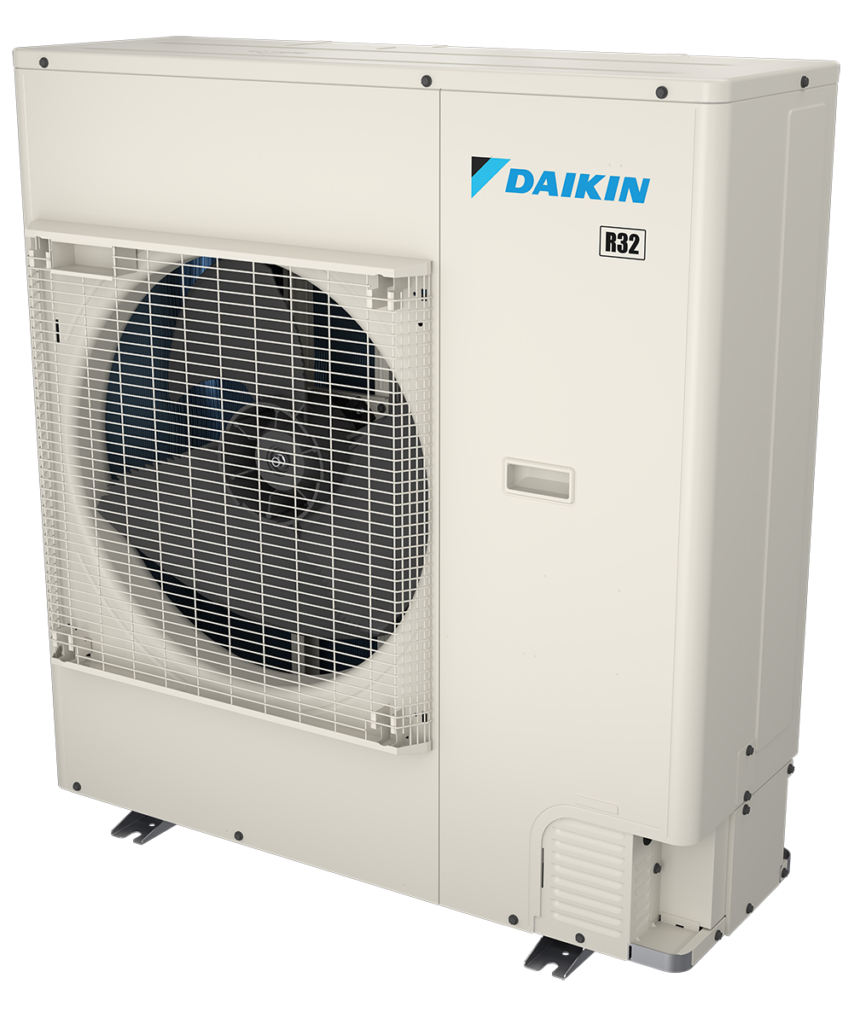
Daikin is the world’s largest HVAC manufacturer, and that scale shows in their product range. They offer systems for virtually every application – from single-zone ductless units to complex multi-zone setups and commercial installations – and their equipment is known for being reliable, well-engineered, and competitively priced.
Daikin’s cold-climate lineup, including their Aurora series, performs well in low temperatures, though efficiency begins to drop more noticeably below -15°C compared to Mitsubishi’s H2i technology. Their multi-zone systems are designed with a simpler configuration that doesn’t require a branch box, which can streamline installation in some setups.
Daikin also offers strong smart home integration through their proprietary controls and a solid warranty on qualifying equipment. For homeowners who want a high-quality system at a slightly lower price point, Daikin is a genuinely good option – not a consolation prize.
Mitsubishi Heat Pump vs Daikin: How They Compare
Here’s a direct look at how these two brands measure up across the factors that matter most.
Efficiency
Mitsubishi holds a clear lead here. Their top ductless systems achieve SEER2 ratings of up to 23.1 and HSPF2 ratings in the 12.5 to 13.5 range – some of the highest efficiency figures available in the residential heat pump market. Daikin systems are efficient in their own right, with SEER2 ratings typically in the 20 to 20.3 range, but Mitsubishi’s numbers are meaningfully higher. Over years of operation, that efficiency gap adds up in energy savings.
Cold Weather Performance
This is where Mitsubishi’s H2i technology sets it apart most clearly. The ability to heat effectively down to -13°F (-25°C) without supplemental heating gives Mitsubishi a significant advantage in colder climates. Daikin’s Aurora cold-climate line performs well but begins to lose efficiency below -15°C. For homeowners in regions that see sustained cold stretches, the Mitsubishi heat pump’s cold-weather capability is a compelling differentiator.
Noise Levels
Mitsubishi systems are renowned for their quiet operation, with outdoor units running as low as 45 decibels – roughly equivalent to a quiet library. Daikin outdoor units typically operate in the 48 to 55 decibel range. The difference is noticeable, particularly in homes where the outdoor unit is close to living or sleeping areas.
System Flexibility
Both brands offer strong flexibility across ducted, ductless, and multi-zone configurations. Mitsubishi’s lineup includes an extensive range of indoor unit styles and sizes, and their multi-zone systems are among the most refined on the market. Daikin’s multi-zone systems offer the advantage of connecting multiple indoor units to a single outdoor unit without a branch box, which can simplify installation in certain configurations.
Warranty
Both Mitsubishi and Daikin offer competitive warranty coverage on their equipment. Warranty terms can vary depending on the model and whether the system is installed by a certified contractor, so it’s worth confirming the specific terms that apply to the equipment you’re considering.
Price
In the current market, Mitsubishi and Daikin systems are broadly comparable in price at similar performance levels – with Mitsubishi often coming in slightly lower on several popular models. The higher efficiency of a Mitsubishi heat pump also means the total cost of ownership over the system’s lifespan is often more favourable, even if the sticker prices look similar at the outset.
Why We Recommend Mitsubishi Heat Pumps
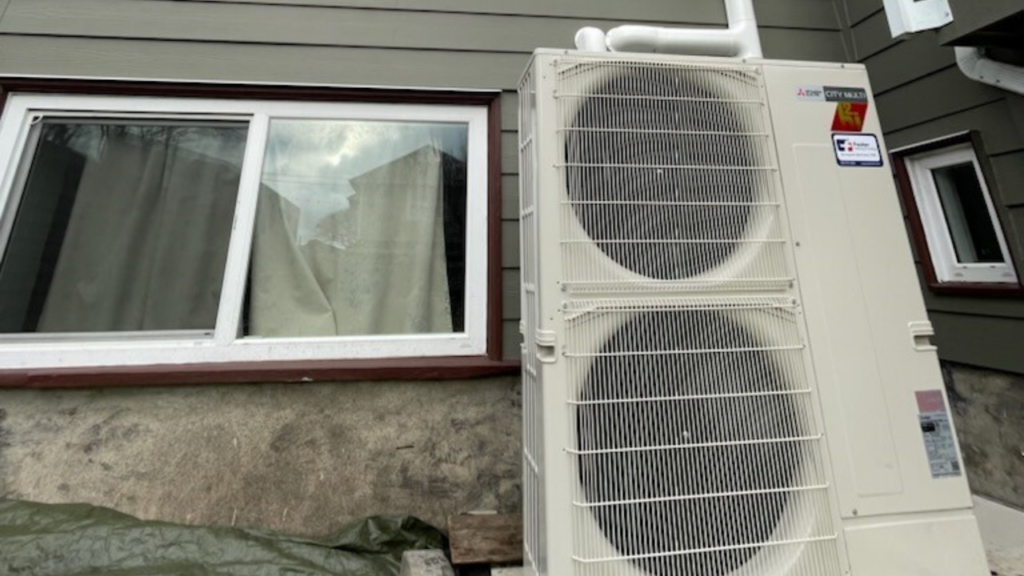
Foster Heating & Cooling installs both Mitsubishi and Daikin systems, and we’re honest about the fact that Daikin is a strong brand. But when clients ask us what we recommend, Mitsubishi is our answer – and it’s not a close call.
The combination of H2i cold-weather performance, industry-leading efficiency, whisper-quiet operation, and long-term reliability makes the Mitsubishi heat pump the system we’d put in our own homes. Their ductless lineup in particular is considered best-in-class by most HVAC professionals, and the technology has been proven across decades of installations in climates far more demanding than Vancouver Island’s.
There’s also a practical dimension to recommending Mitsubishi: their systems are well understood by experienced technicians, parts are readily available, and the installation process is well-established. That matters when it comes time for servicing or repairs.
Which System Is Right for Your Home?
For most homeowners comparing these two brands, a Mitsubishi heat pump is the stronger long-term choice. The efficiency advantage, cold-weather capability, and quiet operation justify the investment – and in many cases the price difference is minimal.
That said, the right system always depends on your home’s specific setup, your existing infrastructure, and your priorities. A home with existing ductwork, a specific budget, or particular zoning requirements may call for a closer look at what each brand’s lineup offers for that situation.
The best way to make a confident decision is to talk it through with an experienced installer who knows both systems well. Foster Heating & Cooling has been helping homeowners find the right heating and cooling solution since 1928. If you’re ready to explore your options, we’re happy to walk you through what makes sense for your home. Get in touch with our team today.
Frequently Asked Questions
What is a Mitsubishi heat pump?
A Mitsubishi heat pump is a heating and cooling system made by Mitsubishi Electric, one of the leading manufacturers of ductless and heat pump technology in the world. Mitsubishi systems use inverter-driven compressors and advanced refrigerant technology to heat and cool homes efficiently year-round.
What makes a Mitsubishi heat pump different from a Daikin?
The most significant differences are in cold-weather performance and efficiency. Mitsubishi’s H2i technology allows the system to heat effectively down to -13°F (-25°C), while Daikin’s cold-climate systems begin to lose efficiency below -15°C. Mitsubishi also leads on efficiency ratings and noise levels.
Is a Mitsubishi heat pump more expensive than a Daikin?
Pricing is broadly comparable at similar performance levels, with Mitsubishi often coming in slightly lower on several popular models. The higher efficiency of a Mitsubishi heat pump means lower operating costs over time, which affects the total cost of ownership.
Is Daikin a good heat pump brand?
Yes. Daikin is a reputable, well-established brand with a strong track record of reliability. For homeowners with specific installation requirements or budget considerations, Daikin is a solid choice. Our preference is Mitsubishi, but Daikin is not a brand we’d steer anyone away from.
Does Foster Heating & Cooling install both Mitsubishi and Daikin heat pumps?
Yes. We install both brands and can give you an honest assessment of which system suits your home best. Our preference and recommendation is Mitsubishi Electric, which is why we’ve chosen to feature it as our flagship heat pump brand.
How long does a Mitsubishi heat pump last?
With regular maintenance, a Mitsubishi heat pump typically lasts 15 to 20 years. Their systems are known for durability and reduced maintenance needs compared to conventional heating and cooling equipment.
What is Mitsubishi H2i technology?
H2i stands for Hyper-Heating INVERTER. It’s Mitsubishi Electric’s proprietary technology that allows their heat pumps to continue delivering effective heat output even when outdoor temperatures drop as low as -13°F (-25°C). It eliminates the need for supplemental heating sources in most Canadian climates.